
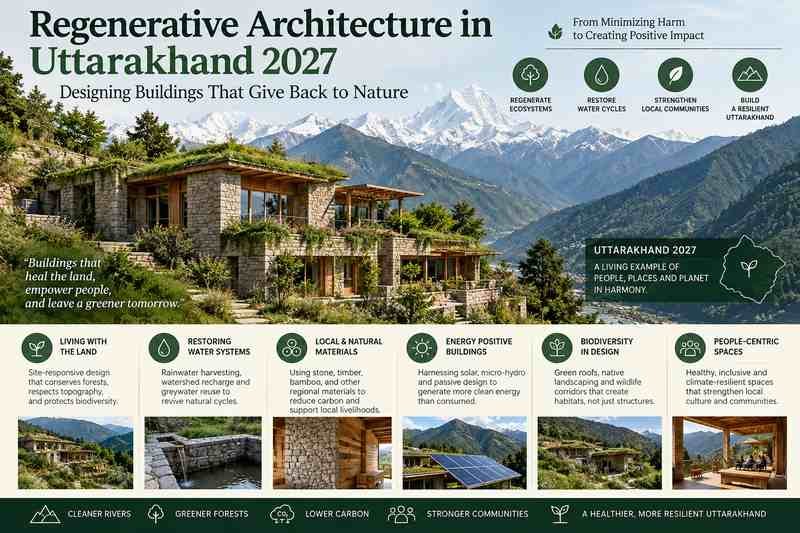
Regenerative Architecture in Uttarakhand 2027: Designing Buildings That Give Back to Nature
That is the idea behind Regenerative Architecture in Uttarakhand. Regenerative architecture goes beyond reducing harm. It considers whether a building can contribute positively to its site by restoring water cycles, supporting biodiversity, protecting soil, generating clean energy, improving human wellbeing and strengthening the relationship between the buil
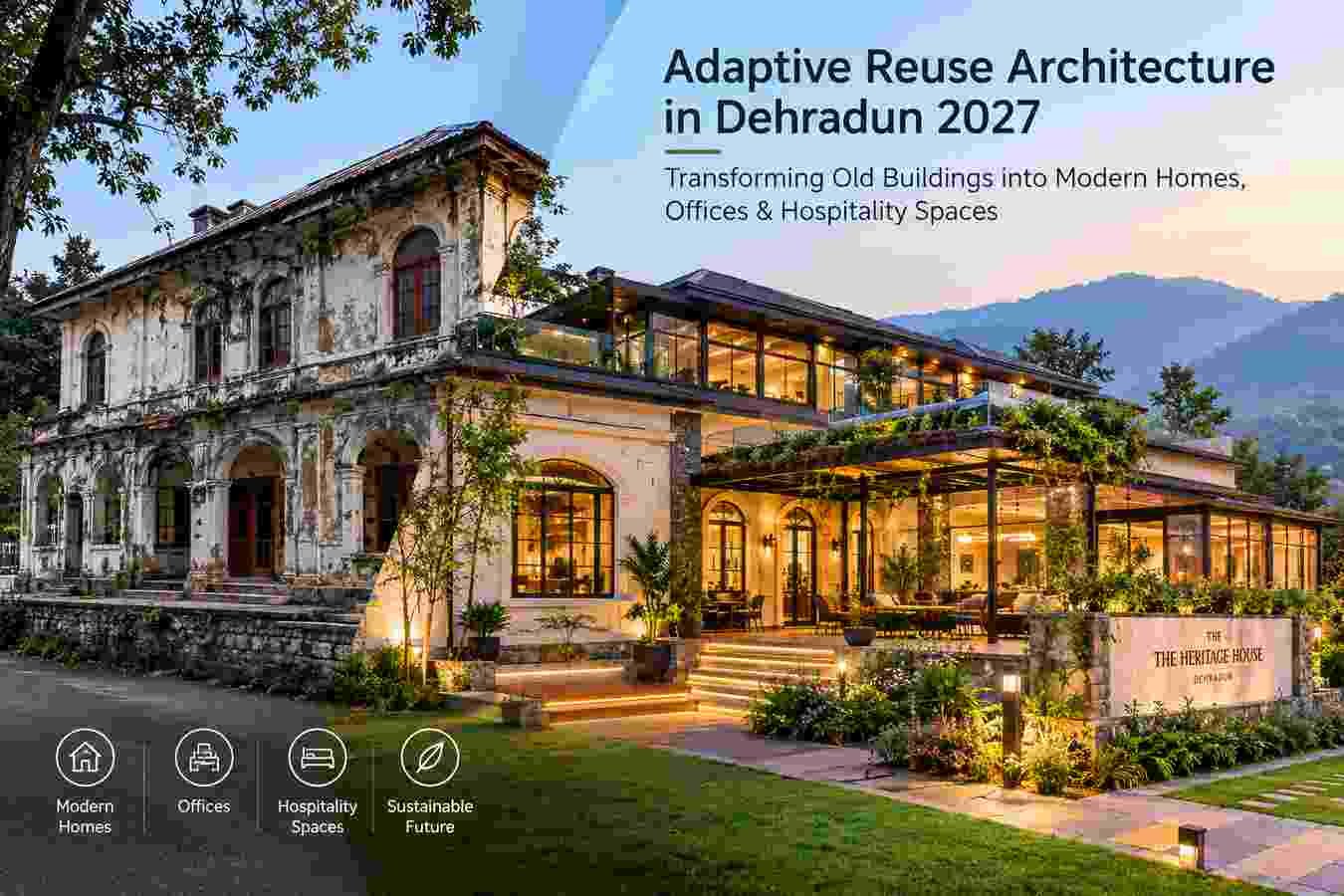
Adaptive Reuse Architecture in Dehradun 2027: Transforming Old Buildings into Modern Homes, Offices & Hospitality Spaces
What if an old building does not need to be demolished to become useful again? What if an ageing house, traditional bungalow, outdated office, underused commercial property or character-rich building could be transformed into a modern space while retaining the elements that make it special? That is the central idea behind Adaptive Reuse Architecture in [&hel
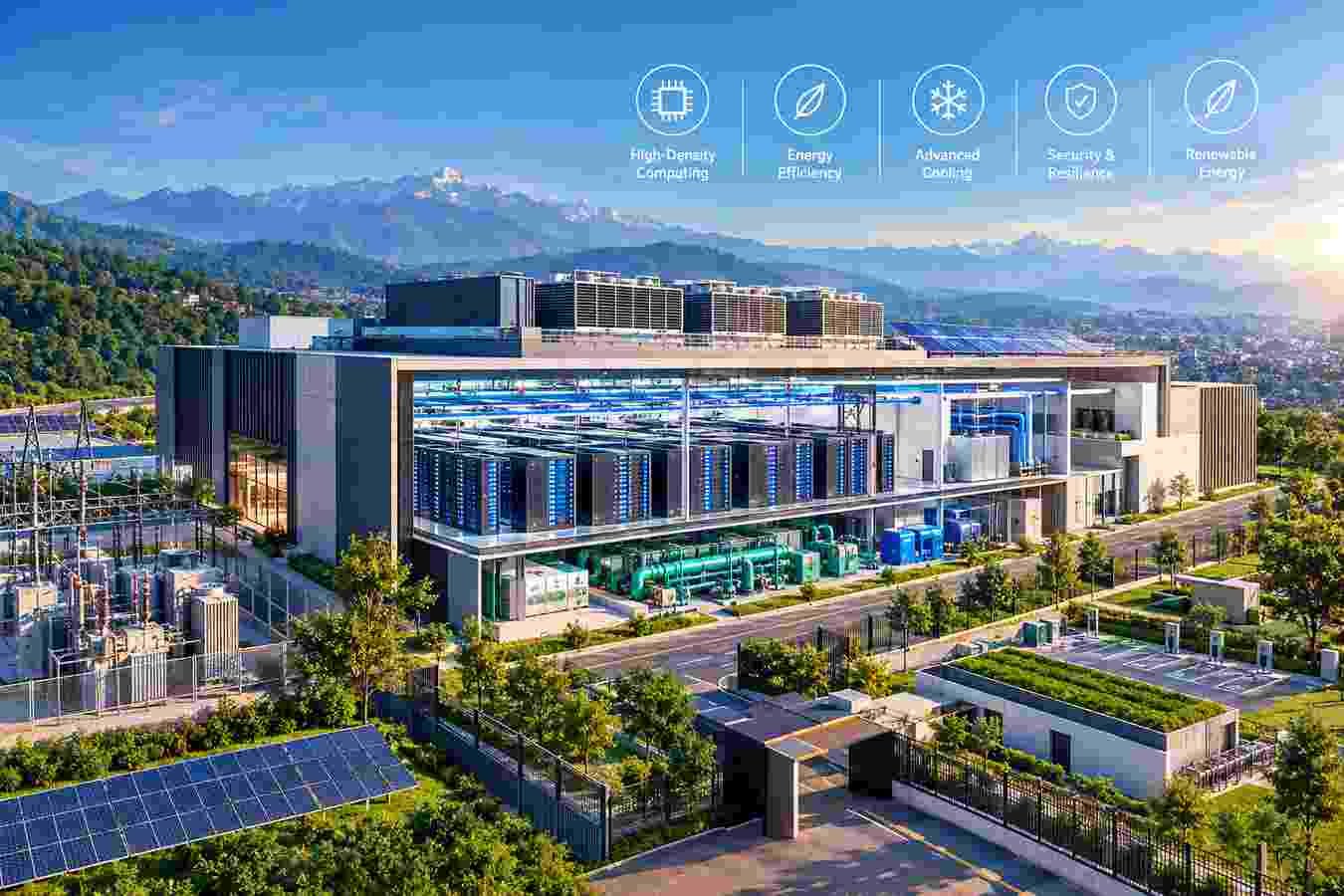
AI-Ready Data Center Architecture in India 2027: Designing High-Density, Energy-Efficient Digital Infrastructure
Artificial intelligence is changing the way digital infrastructure is designed. Traditional data centres were primarily planned around conventional enterprise servers, cloud workloads and predictable rack densities. AI introduces a different set of architectural requirements: much higher computing density, greater electrical loads, more demanding cooling sys
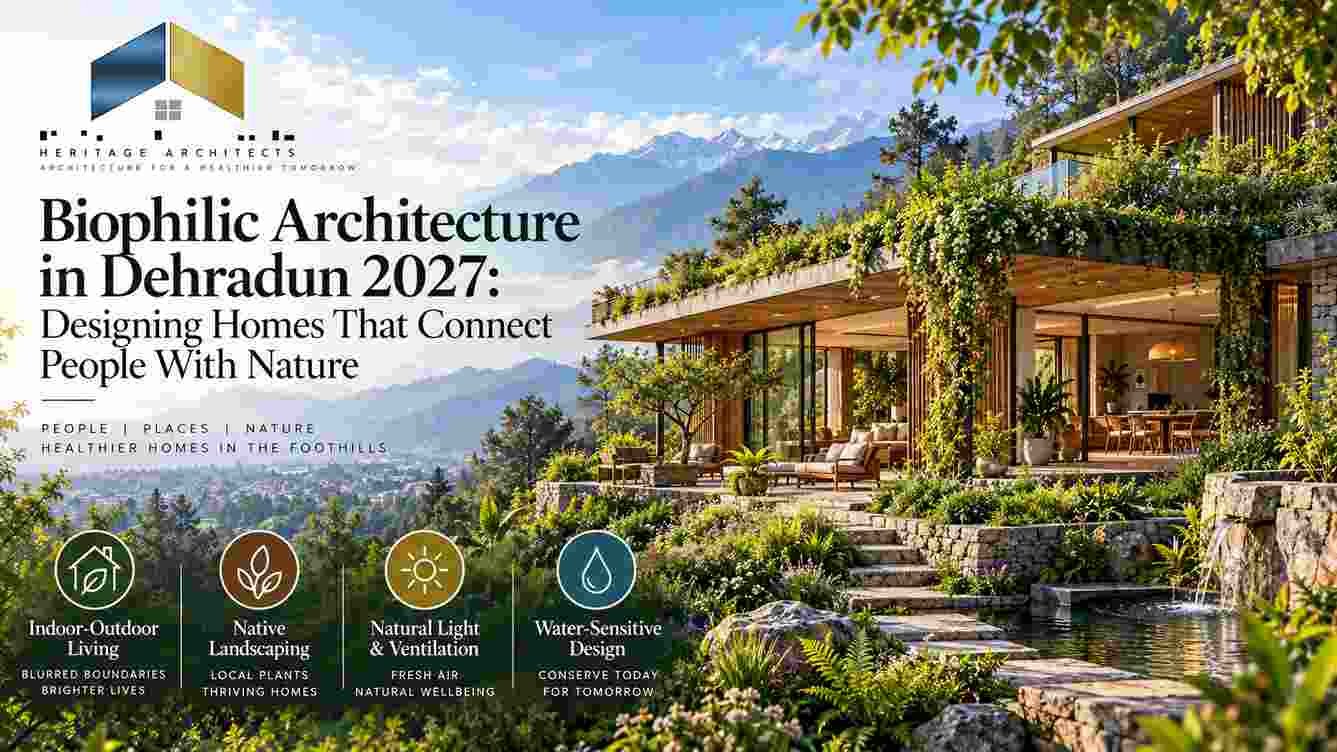
Biophilic Architecture in Dehradun 2027: Designing Homes That Connect People With Nature
Dehradun offers something many rapidly growing cities struggle to provide: a close relationship between urban living and the natural environment. Trees, gardens, hills, seasonal rainfall, open skies, natural light and changing landscapes are part of the city’s visual identity. Yet as residential development becomes denser, it can become increasingly di
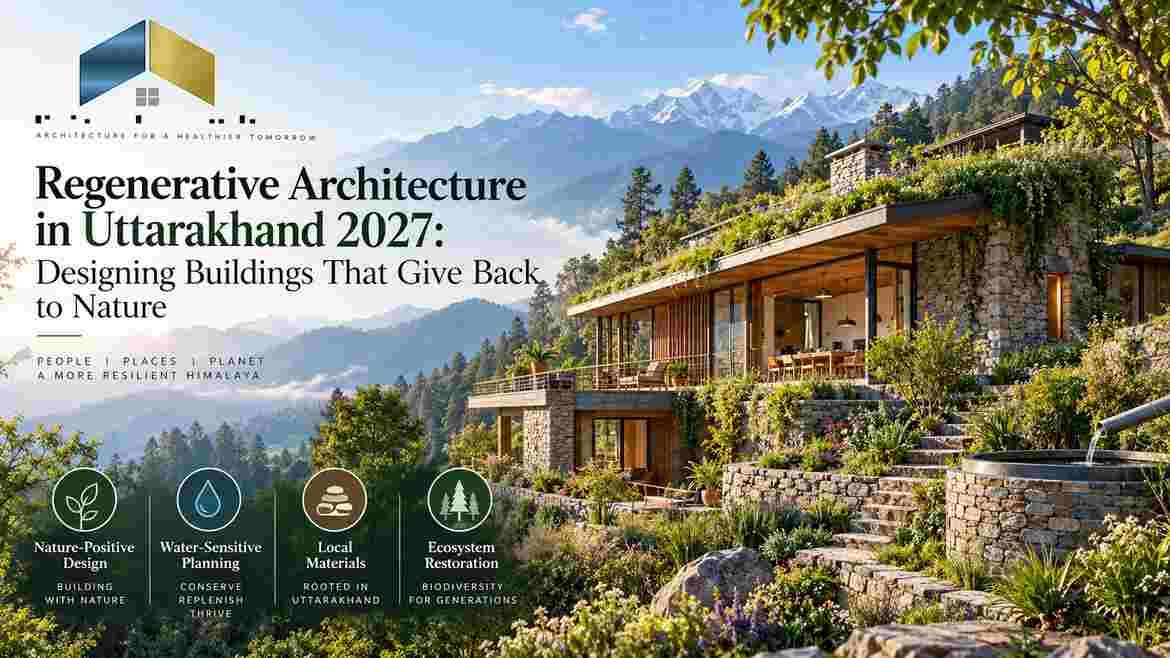
Regenerative Architecture in Uttarakhand 2027: Designing Buildings That Give Back to Nature
For many years, sustainable architecture has focused on reducing the negative environmental impact of buildings. Use less energy. Consume less water. Produce less waste. Use efficient materials. Reduce carbon emissions. These objectives remain important. But architecture is increasingly asking a larger question: Can a building do more than reduce damage? Can
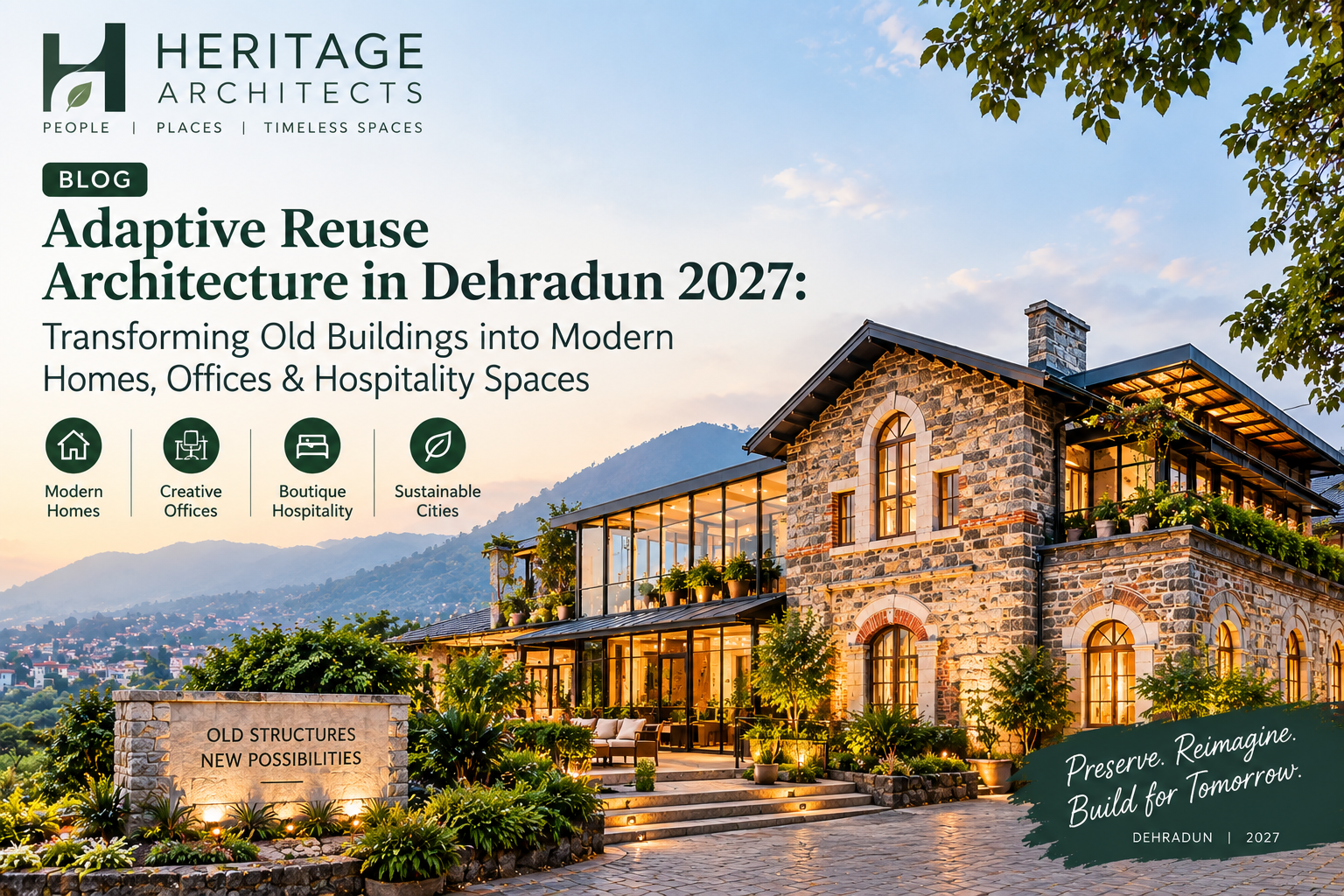
Adaptive Reuse Architecture in Dehradun 2027: Transforming Old Buildings into Modern Homes, Offices & Hospitality Spaces
What if an old house, colonial-era property, outdated office or underused commercial building did not need to be demolished? What if its existing structure, proportions, materials and character could become the foundation for something completely new? That is the central idea behind Adaptive Reuse Architecture in Dehradun. Instead of treating an existing bui
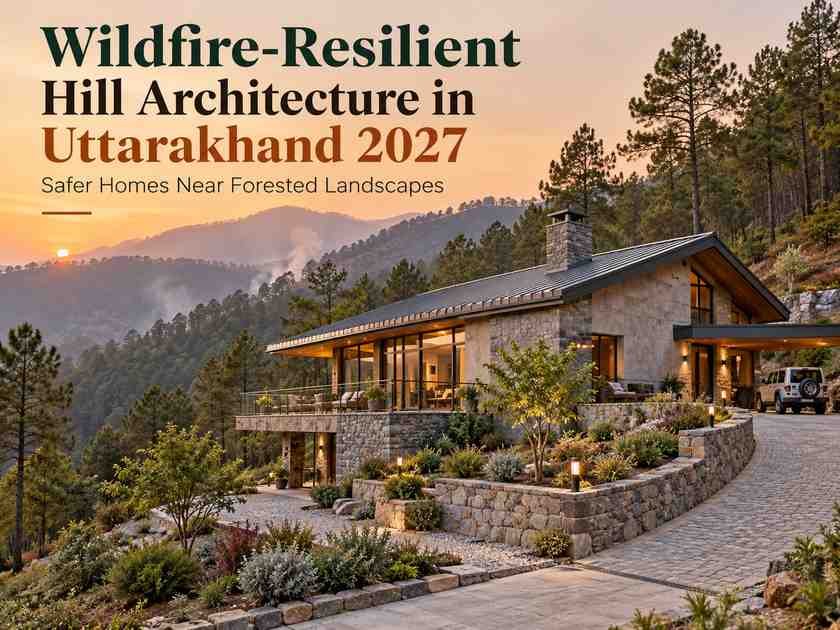
Wildfire-Resilient Hill Architecture in Uttarakhand 2027: Safer Homes Near Forested Landscapes
Living near a forest can be one of the strongest reasons to build a home in Uttarakhand. A forest-edge property may offer cleaner views, natural shade, quieter surroundings and a close relationship with the Himalayan landscape. But that relationship also brings responsibility. A home surrounded by dry seasonal vegetation, pine litter, wooded slopes or diffic
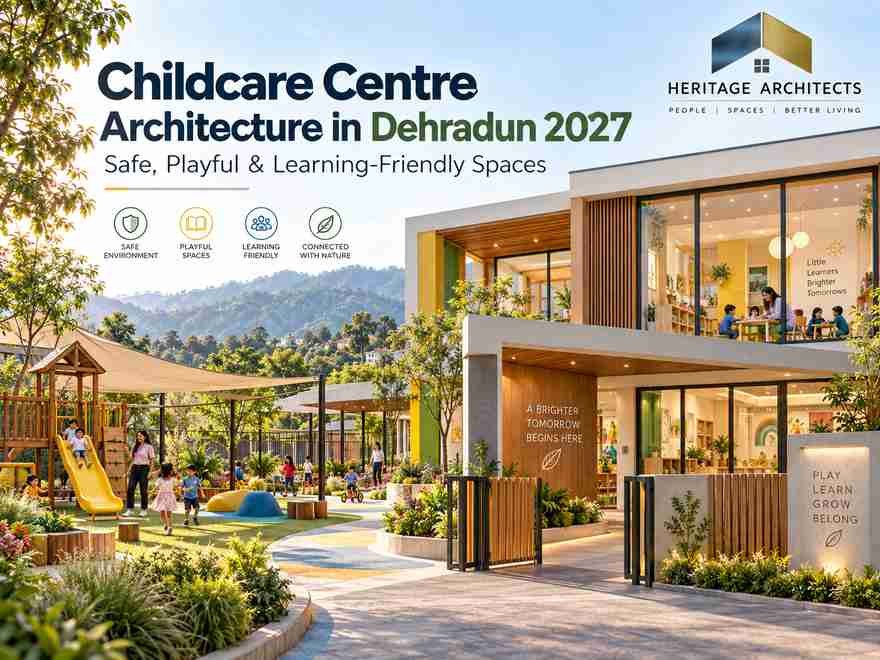
Daycare & Childcare Centre Architecture in Dehradun 2027: Safe, Playful & Learning-Friendly Spaces
A childcare centre is one of the few buildings where the architecture must be understood from the height of a small child. A door handle that feels normal to an adult may be difficult for a child to reach. A sharp furniture corner that seems insignificant in an office may become a daily safety concern. […]
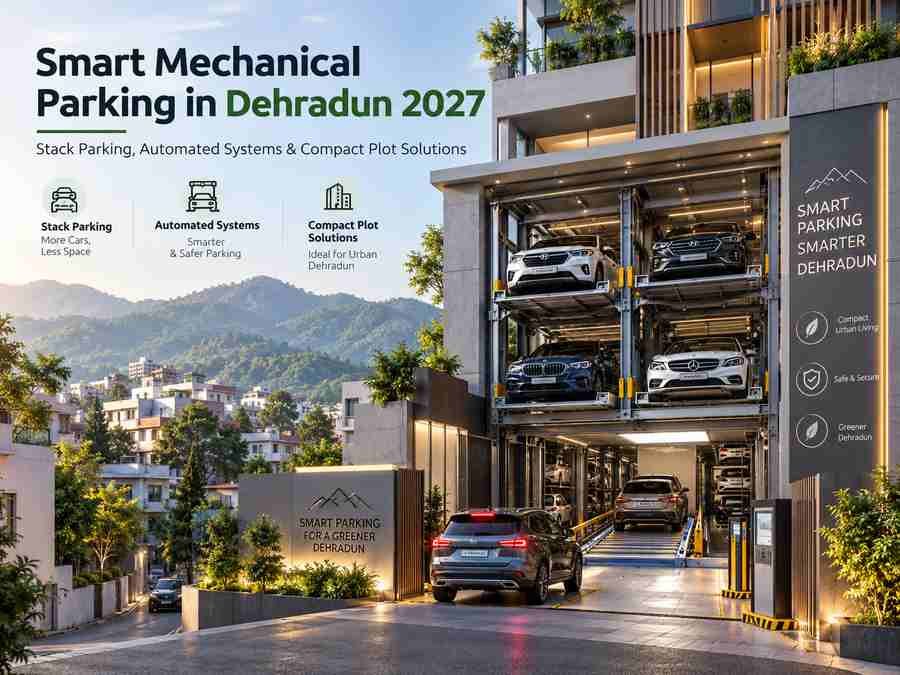
Smart Mechanical Parking in Dehradun 2027: Stack Parking, Automated Systems & Compact Plot Solutions
A city plot may be large enough for the building a developer wants—but not large enough for all the cars that building generates. This is becoming one of the most difficult architectural problems in growing urban areas. A residential project may require valuable ground-floor space for parking. An office building may have sufficient floor area […]
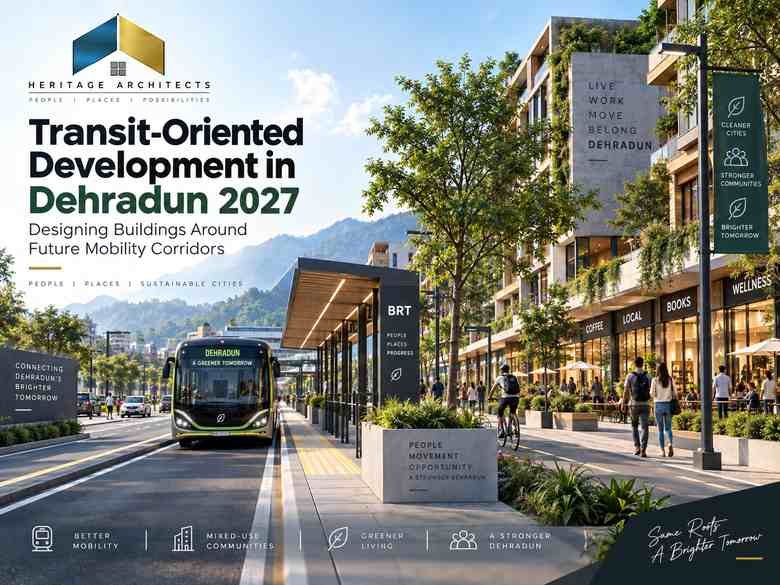
Transit-Oriented Development in Dehradun 2027: Designing Buildings Around Future Mobility Corridors
For decades, urban property development has often started with one basic question: How many cars can enter and park on this site? Transit-oriented development asks a different question: How easily can people reach this building without depending on a private car for every trip? That shift is becoming increasingly relevant to Transit-Oriented Development in D

